Meditation

The Quiet Revolution Within: Exploring the Transformative Power of Meditation

Introduction: A Stillness That Heals
In an age where noise is constant and distractions are relentless, meditation stands as a quiet rebellion—a profound return to stillness. Far from being a spiritual cliché or a passing wellness trend, meditation is an ancient discipline that has carved its place at the heart of both Eastern philosophy and modern neuroscience. Rooted in simplicity yet infinitely deep, meditation is a practice of presence, a tool for inner clarity, and a path toward emotional, mental, and even physical healing. It is not an escape from life but a return to it, in its most authentic form.

What Is Meditation? A Definition Beyond Words
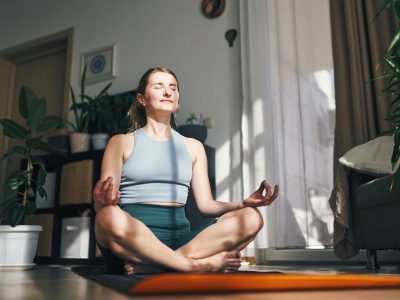
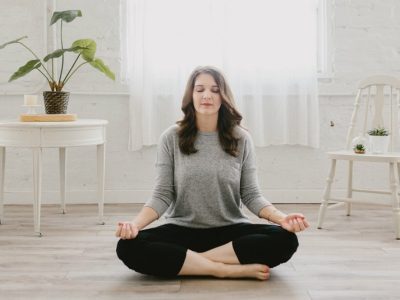
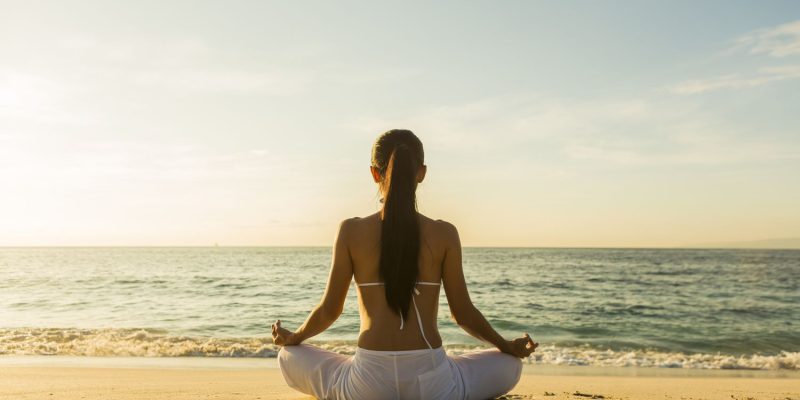
Meditation can be described as the practice of focused awareness, typically involving breathing techniques, visualization, body scans, or silent observation of thought. But beyond technique, meditation is about cultivating an inner space where clarity, calm, and connection reside. It is not the absence of thought, as is commonly misunderstood, but the detachment from being ruled by it. Whether practiced through stillness, movement, or mantra, meditation invites a deeper understanding of the self and the present moment.

The Origins of Meditation: Ancient Wisdom for Modern Minds
The roots of meditation trace back over 5,000 years, emerging from the sacred texts and oral traditions of India, China, and later, other parts of Asia. Practices like Dhyana in Hinduism, Zazen in Zen Buddhism, and Vipassana from early Theravada Buddhism were designed to transcend suffering and awaken higher states of consciousness. These ancient practices, initially woven into religious frameworks, are now embraced globally across cultures, religions, and even secular disciplines. Meditation has evolved from monastic retreats to living rooms and corporate boardrooms, proving its adaptability and universal relevance.

Benefits of Meditation: Science Meets Spirit
The surge in meditation’s popularity is no longer driven by anecdotal evidence alone. In recent decades, scientific research has extensively documented its far-reaching benefits, validating what ancient practitioners long believed.

1. Mental and Emotional Clarity

  • Reduces anxiety, depression, and stress through calming the sympathetic nervous system

  • Enhances mood-regulating neurotransmitters like serotonin and dopamine

  • Improves emotional resilience and patience

2. Cognitive Enhancement

  • Increases focus, attention span, and working memory

  • Strengthens neural pathways related to decision-making and self-regulation

  • Encourages neuroplasticity—the brain’s ability to adapt and rewire

3. Physical Health Improvements

  • Lowers blood pressure and heart rate

  • Reduces inflammation and boosts immune response

  • Improves sleep quality and pain tolerance

4. Spiritual and Existential Growth

  • Fosters a deeper sense of purpose and inner peace

  • Encourages compassion and connection with others

  • Provides a sense of spaciousness around thoughts, emotions, and identity

Meditation is not only about feeling calm in the moment—it rewires our entire system over time for sustained well-being.

Popular Types of Meditation: Finding Your Fit
There is no single “correct” way to meditate. The richness of this practice lies in its versatility, allowing individuals to explore what resonates with their personality, lifestyle, and inner needs.

Mindfulness Meditation
Rooted in Buddhist traditions, mindfulness focuses on non-judgmental awareness of the present moment. Practitioners observe sensations, thoughts, and feelings as they arise and pass.

Loving-Kindness Meditation (Metta)
This form cultivates compassion and goodwill toward oneself and others through repeated phrases of loving intention.

Transcendental Meditation
Involves silently repeating a personalized mantra to transcend ordinary thought and reach a deep state of restful awareness.

Body Scan Meditation
Brings focused attention to different parts of the body, encouraging physical relaxation and greater mind-body connection.

Guided Visualization
Involves imagining calming scenes or experiences under the direction of a guide or audio, often used for stress relief and goal setting.

Zen and Vipassana
Traditional forms involving prolonged sitting and attention to breath or bodily sensations, often practiced in silence over extended periods.

Each type offers a unique doorway into presence, allowing practitioners to engage with the inner self through various sensory and cognitive routes.

Integrating Meditation into Daily Life
Meditation need not be a rigid ritual practiced only at dawn or on a cushion. Its beauty lies in its adaptability to everyday life.

Simple ways to incorporate meditation:

  • Begin with 5–10 minutes each morning, using a timer or guided app

  • Take mindful pauses during the day to breathe deeply and reset

  • Practice walking meditation during outdoor strolls

  • Use transitions (like waiting in line or commuting) as opportunities to center the mind

  • Create a peaceful corner at home dedicated to stillness and reflection

Consistency, rather than duration, is key. Even a few minutes of intentional stillness can shift the trajectory of one’s day.

Common Misconceptions About Meditation
Meditation has acquired its fair share of myths, often deterring beginners or leading to unrealistic expectations.

Debunking common myths:

  • “I can’t meditate because my mind is too busy.”
    A busy mind is not a barrier—it is the very reason to meditate.

  • “Meditation is a religious practice.”
    While it has spiritual roots, meditation today is practiced widely in secular settings and is adaptable to any belief system.

  • “You have to sit cross-legged in silence.”
    There is no rulebook. Meditation can be practiced seated, lying down, walking, or even moving through dance or yoga.

  • “I should feel instant peace.”
    Like physical exercise, benefits build with time and consistency. Moments of discomfort are part of the process.

Conclusion: A Return to the Self
Meditation is not about transcending the human experience but embracing it fully—with all its complexities, emotions, and thoughts. It is a radical act of presence in a world that constantly pulls us away from ourselves. As both a science and an art, meditation offers a timeless, accessible path to healing, wisdom, and peace. Whether you are seeking mental clarity, emotional balance, physical vitality, or spiritual growth, meditation opens a quiet but powerful door within. Step into it not to escape life—but to meet it, consciously and courageously, one breath at a time.

What is your reaction?

Excited
0
Happy
0
In Love
0
Not Sure
0
Silly
0

You may also like

Comments are closed.

More in:Meditation