 By Joel Paige
Meditation has transformed from an ancient contemplative tradition into a widely recognized tool for modern psychological resilience, emotional regulation, and stress management. Millions of individuals begin meditating with enthusiasm, inspired by the prospect of reduced anxiety, improved focus, and enhanced mental clarity. However, establishing a permanent, daily meditation habit often proves far more challenging than anticipated. Restless thoughts, busy schedules, unrealistic expectations, and initial discomfort frequently lead people to abandon their practice before experiencing its profound cumulative benefits.
Building a consistent meditation practice does not require sitting in absolute silence for hours or achieving a state of complete mental emptiness. Instead, long-term success relies on understanding how habits form, creating a sustainable environment, adopting flexible expectations, and treating mental wandering with patience rather than frustration. By shifting your approach from rigid discipline to structured habit building, you can seamlessly integrate meditation into your daily lifestyle.
Understanding the True Purpose of Meditation
A major obstacle to maintaining a consistent practice is misunderstanding what meditation actually entails. A common myth suggests that meditating requires stopping all thoughts and clearing the mind entirely. When beginners inevitably experience a stream of thoughts during a session, they often judge themselves as bad at meditating and give up.
In reality, meditation is not about controlling or silencing your thoughts. It is the practice of observing your thoughts, physical sensations, and emotions without judgment or reactive attachment.
-
Cultivating Awareness: Meditation trains your capacity to notice where your focus is directed at any given moment.
-
Building Interoception and Metacognition: By observing mental chatter from a distance, you learn to see thoughts as temporary mental events rather than absolute facts or commands.
-
Practicing Gentle Re-Direction: Every time your mind wanders and you gently bring your attention back to your breath or chosen anchor, you perform the mental equivalent of a bicep curl for your brain. Wandering is not a failure; noticing the wandering is the core exercise.
Re-framing your expectations eliminates the self-criticism that undermines consistency. Recognizing that a noisy mind is completely normal allows you to approach every session with curiosity rather than frustration.
Start Small and Focus on Micro-Habits
When starting a new habit, enthusiasm often drives people to set overly ambitious targets, such as committing to thirty minutes of daily silent meditation. While noble, long sessions create immense friction for a beginner. On busy or low-energy days, the mental effort required to sit for thirty minutes feels overwhelming, leading to missed sessions and broken momentum.
To build an unbreakable habit, apply the principle of micro-habits. Lower the bar of entry so significantly that failure becomes almost impossible.
The Power of Two-Minute Starts
Begin with just two to five minutes of practice each day. A two-minute session feels effortless to fit into any schedule, no matter how chaotic your morning or evening might be. The primary objective during the initial weeks is not deep spiritual enlightenment; it is training your nervous system and schedule to accept the daily habit loop.
Scale Gradually and Naturally
Once sitting for two to five minutes every day feels completely natural and automatic, gradually increase your duration. Add two minutes to your practice each week until you reach a comfortable duration, such as ten, fifteen, or twenty minutes. Prioritizing consistency over duration ensures that your practice scales safely without creating subconscious resistance.
Leverage Habit Stacking and Environment Design
Relying purely on memory or willpower to remember to meditate rarely works over the long term. Willpower drains as the day progresses, and busy schedules easily push unscheduled tasks off your to-do list. The most reliable way to anchor a new practice is through habit stacking and thoughtful environment design.
Connect Meditation to an Existing Daily Trigger
Habit stacking involves pairing your new practice with an established daily habit that you perform automatically without thinking.
-
Morning Stacking: Commit to meditating for five minutes immediately after pouring your morning coffee or right after brushing your teeth.
-
Midday Stacking: Practice a brief three-minute mindfulness check-in right after closing your laptop for your lunch break.
-
Evening Stacking: Sit for five minutes immediately after changing out of your work clothes or right before turning off your bedside light.
By attaching meditation to a fixed anchor in your daily routine, the existing habit serves as a powerful psychological trigger for the new behavior.
Prepare a Dedicated and Inviting Space
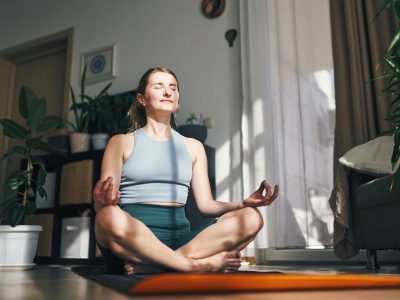
Create a physical space in your home dedicated to quiet reflection. This space does not need to be an entire room; a specific chair, a comfortable corner of your bedroom, or a dedicated cushion on the floor works perfectly.
Keep this space clean, comfortable, and free from work distractions or clutter. Over time, your brain associates this physical environment with calm and inward focus, making it much easier to settle into a meditative state the moment you sit down.
Explore Different Techniques to Find Your Fit
Meditation is not a single, uniform activity; it encompasses a diverse range of techniques designed for different temperaments, goals, and mental states. Forcing yourself to practice a style that feels deeply unengaging or uncomfortable makes consistency unnecessarily difficult. Experimenting with different approaches allows you to discover what resonates best with your mind.
-
Mindfulness of Breathing: The foundational technique of focusing your full attention on the natural physical sensations of breathing at the nostrils, chest, or abdomen.
-
Body Scan Meditation: Systematically moving your conscious awareness through different regions of the body, observing physical sensations, tension, and relaxation from head to toe.
-
Loving-Kindness Meditation: Cultivating feelings of compassion and goodwill by mentally repeating positive phrases toward yourself, loved ones, acquaintances, and even challenging individuals.
-
Guided Meditation: Listening to a teacher or audio recording that provides step-by-step instructions, visual imagery, or vocal prompts throughout the session.
-
Walking Meditation: Bringing present-moment awareness to the physical sensations of movement, foot placement, and balance while walking slowly in a quiet environment.
Guided meditations are particularly helpful for beginners because the instructor’s voice provides a steady anchor that keeps the mind from drifting into lengthy trains of thought.
Overcome Common Obstacles and Restlessness
Even with a strong system in place, you will encounter days when meditating feels difficult, boring, or physically uncomfortable. Knowing how to handle these common hurdles prevents temporary discomfort from derailing your long-term progress.
Dealing with Physical Restlessness and Agitation
It is completely normal to experience physical fidgeting, itching, or sudden restlessness when you sit still. Instead of immediately reacting by moving or giving up, treat the restlessness as the object of your meditation. Observe the physical sensation of itchiness or energy with curiosity. Notice where it resides in your body and how it shifts. If the urge to move persists, adjust your position deliberately and mindfully rather than impulsively.
Navigating Sleepiness and Lethargy
If sitting down to meditate causes you to nod off, your body may simply be exhausted, or your position may be too relaxed. To combat sleepiness, avoid meditating in bed or lying flat on your back. Sit upright in a supportive chair with a straight spine, open a window for fresh air, or practice with your eyes slightly open, resting your gaze softly on the floor a few feet ahead of you.
Overcoming the I Do Not Have Time Fallacy
On exceptionally busy days, the mind often convinces us that spending ten minutes sitting silently is a luxury we cannot afford. On these days, remember that meditation is an investment in cognitive efficiency. A brief session lowers cortisol, clears mental fog, and improves executive function, allowing you to handle the rest of your day with greater efficiency, composure, and speed.
Measure Consistency Rather than Perfection
A common pitfall that destroys new habits is the all-or-nothing mindset. Missing a single day or having a chaotic, distracted session can lead people to feel like they have failed, causing them to abandon the practice entirely.
Consistency is about showing up regularly, not achieving perfect performance. Accept that some sessions will feel peaceful and grounded, while others will feel chaotic and full of restless mental chatter. Both types of sessions are equally valuable because the neurobiological benefit comes from the act of sitting and noticing, regardless of how calm you feel.
Track your habit using a simple paper calendar or habit-tracking app. Mark an X on each day you sit for your micro-session. Focus on keeping the chain intact, but if you miss a day due to travel or illness, apply the rule of never missing twice. Resuming your practice immediately the next day protects your long-term momentum.
Frequently Asked Questions
What is the absolute best time of day to meditate?
The best time to meditate is whichever time slot you can stick to most consistently every day. Many practitioners prefer early morning because the house is quiet, the mind is free from the day’s accumulated stress, and schedule disruptions are minimal. However, lunch breaks or evening transitions can work equally well if they fit your natural rhythm better.
Do I have to sit cross-legged on the floor to meditate correctly?
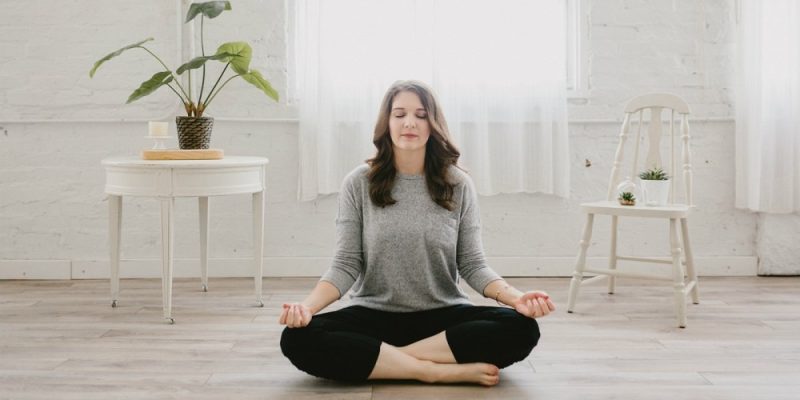
No, sitting cross-legged on the floor is not necessary. What matters most is maintaining a posture that is both alert and comfortable. You can sit in a supportive chair with your feet flat on the floor, sit on a bench, or use a cushion. Keep your back straight but not rigid, resting your hands comfortably in your lap.
Should I meditate with my eyes open or closed?
Both methods are valid. Closing your eyes helps eliminate visual distractions, making it easier for beginners to turn their focus inward. Keeping your eyes open with a soft, un-focused downward gaze helps prevent sleepiness and bridges the gap between meditation and everyday awake awareness. Choose whichever option helps you stay alert and focused.
How long does it take to start noticing the benefits of meditation?
Short-term benefits, such as immediate physical relaxation and lowered heart rate, can occur during your very first session. Structural changes in brain regions associated with memory, empathy, and stress regulation, along with sustained improvements in emotional control, typically become noticeable after six to eight weeks of daily ten-to-twenty-minute practice.
Is it normal to feel more anxious or stressed when I start meditating?
Yes, this is a common experience for beginners. Meditation does not create new anxiety; rather, it shines a light on the baseline mental chatter and stress that was already present but masked by constant daily distractions, screens, and busyness. Becoming aware of this internal noise is the necessary first step toward processing and releasing it.
Can listening to music or natural soundscapes count as meditation?
Listening to relaxing music or nature sounds can help calm the nervous system, but it differs from formal meditation. Formal meditation involves actively training your attention and observing your internal experiences without distraction. While ambient audio can serve as a helpful background environment, focus on maintaining active, non-judgmental awareness of your breath or chosen anchor.
What should I do if my legs go numb or fall asleep while meditating?
If you experience numbness, tingling, or sharp joint discomfort, gently and mindfully change your seating position. Numbness usually occurs when blood flow is restricted or a nerve is compressed by your posture. Adjust your leg position, sit on a higher cushion to raise your hips above your knees, or transfer to a chair to ensure healthy circulation.