 By Joel Paige
How you spend the first hour of your morning sets the trajectory for the entire day. For many people, mornings begin with an immediate surge of stress: an alarm blares, smartphone notifications flood the screen, and the mind instantly shifts into reactive mode, worrying about upcoming deadlines and endless to-do lists. This rushed approach triggers a physical stress response before your feet even touch the floor, leaving you feeling frantic, drained, and emotionally fragile throughout the afternoon.
Establishing a dedicated morning meditation routine changes this dynamic entirely. Taking even a few intentional minutes each morning to quiet your mind, ground your nervous system, and cultivate positive emotional states creates an internal buffer against daily chaos. A structured morning practice enhances mental focus, elevates baseline mood, builds emotional resilience, and allows you to approach daily challenges with calm confidence.
The Transformative Benefits of Morning Practice
While meditating at any time of day provides health benefits, practicing in the morning carries unique psychological and physiological advantages.
When you first wake up, your brain transitions through alpha and theta brainwave states. These slower brainwave frequencies are characterized by heightened neuroplasticity, calm awareness, and receptivity. Engaging in meditation during this natural waking window allows positive mental states to imprint more deeply into your subconscious.
-
Lower Cortisol and Reduced Stress: Morning meditation down-regulates the sympathetic fight-or-flight response, slowing your heart rate and lowering baseline morning cortisol spikes.
-
Enhanced Focus and Cognitive Clarity: Clearing mental clutter early sharpens your executive functioning, enabling you to prioritize key tasks without feeling overwhelmed.
-
Proactive Emotional Regulation: Starting your day in a grounded state trains your mind to respond to daily frustrations with patience rather than reacting with knee-jerk anxiety or anger.
-
Sustained Energy and Positive Mood: Mindful breathing and intention setting boost oxygen flow and trigger the release of endorphins, dopamine, and serotonin, providing smooth physical energy without a crash.
Investing time in yourself before engaging with the demands of the outside world puts you in complete control of your mental environment.
Foundational Elements of an Effective Morning Routine
An effective morning meditation routine does not require hours of complex preparation or absolute silence. Success relies on creating a simple, repeatable sequence that fits seamlessly into your existing waking schedule.
Prepare Your Physical Space
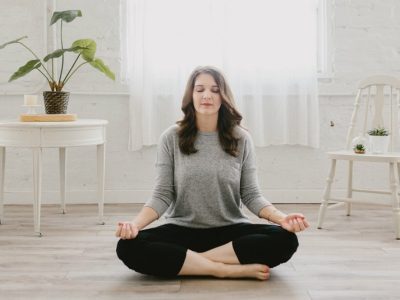
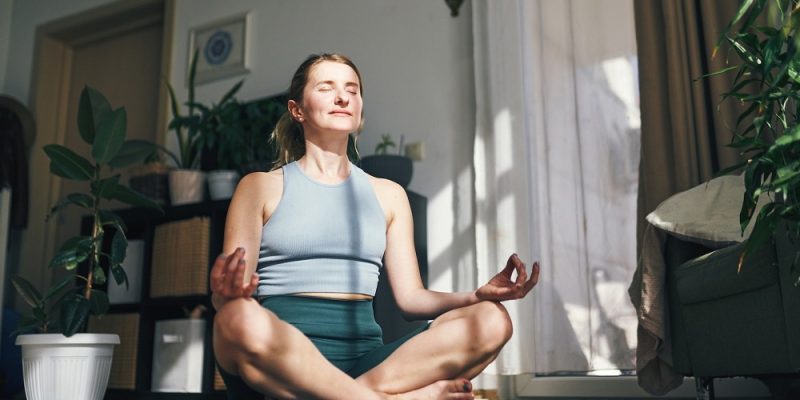
Set aside a specific, comfortable location in your home reserved exclusively for quiet reflection. This could be a favorite armchair, a cozy corner of your bedroom with a floor cushion, or a sunlit spot near a window. Keep this space free from work documents, laundry, and digital devices. Over time, entering this space sends an immediate signal to your brain that it is time to relax and focus.
Hydrate and Stretch First
Before sitting down to meditate, drink a glass of water and complete two or three minutes of gentle physical movement. Simple neck rolls, shoulder rolls, or standing overhead stretches wake up stiff joints and increase circulation, preventing you from feeling sluggish or falling back asleep during your session.
Keep Digital Devices Away
Protect the sacred nature of your morning window by keeping your smartphone on Do Not Disturb mode or in another room until your meditation routine is complete. Checking email, social media, or news headlines immediately upon waking floods your brain with dopamine loops and external stressors, destroying present-moment awareness.
Three Complete Morning Meditation Frameworks
Different mornings call for different approaches. Depending on your available time and emotional needs, you can choose from three structured morning routines designed to foster positivity and internal stability.
The Five-Minute Express Grounding Routine
This short routine is perfect for busy mornings when time is limited, offering a quick way to center your mind before heading out the door.
-
Minute One (Physical Arrival): Sit comfortably with a straight spine and feet flat on the floor. Close your eyes, take three deep abdominal breaths, and consciously drop your shoulders away from your ears.
-
Minutes Two and Three (Breath Awareness): Shift your attention to the natural rhythm of your breath. Feel the cool air entering your nostrils and the warm air leaving on the exhale. If your mind wanders, gently bring your focus back to the sensation of breathing.
-
Minute Four (Gratitude Anchoring): Bring to mind three specific things you are genuinely grateful for this morning. They can be simple, such as a warm bed, a hot cup of coffee, or a supportive friend. Feel the physical sensation of appreciation in your chest.
-
Minute Five (Intention Setting): Choose a single word or phrase to anchor your day, such as calm, focused, patient, or joyful. Repeat this word mentally three times before opening your eyes.
The Ten-Minute Positivity and Loving-Kindness Flow
This balanced routine combines breath control with traditional loving-kindness practices to generate positive emotional energy and empathy.
-
Minutes One to Three (Rhythmic Breathing): Practice equal breathing by inhaling slowly through your nose for a count of four and exhaling smoothly for a count of four. This steady cadence stabilizes your heart rate.
-
Minutes Four to Seven (Generating Positivity): Visualize a warm, golden light surrounding your heart space. Mentally repeat phrases of goodwill toward yourself: May I be calm, may I be healthy, may I move through today with ease.
-
Minutes Eight and Nine (Extending Goodwill): Expand this visualization outward. Direct these same positive wishes toward your family, friends, colleagues, and even individuals who challenge you.
-
Minute Ten (Transition): Place one hand on your chest, take a final deep breath, and open your eyes with a soft smile, carrying that compassionate awareness into your surroundings.
The Fifteen-Minute Mindful Energy and Visualization Routine
Designed for days when you need deep mental clarity, confidence, and focus for big presentations or major events.
-
Minutes One to Four (Body Scan and Release): Move your awareness systematically from your toes up to the crown of your head, noticing and softening any physical tension in your jaw, shoulders, and stomach.
-
Minutes Five to Nine (Clearing Breathwork): Engage in box breathing: inhale for four seconds, hold for four seconds, exhale for four seconds, and hold empty for four seconds. Repeat for several cycles to clear mental fog.
-
Minutes Ten to Thirteen (Guided Visualization): Picture your day unfolding in the best possible way. See yourself handling tasks efficiently, communicating clearly with others, and navigating unexpected challenges with poise and grace.
-
Minutes Fourteen and Fifteen (Grounding and Awakening): Wiggle your fingers and toes, gently stretch your arms overhead, and step into your day feeling energized and fully prepared.
Overcoming Morning Meditation Challenges
Starting a new morning habit rarely goes perfectly. Understanding how to handle common hurdles ensures that minor disruptions do not destroy your momentum.
Managing Sleepiness
If sitting quietly makes you feel drowsy, avoid meditating while lying in bed. Sit upright in a firm chair with your spine supported, open a window slightly to let in fresh cool air, or practice with your eyes slightly open, resting your gaze on the floor a few feet ahead of you.
Handling Mental Restlessness
On mornings when your mind feels exceptionally busy, avoid fighting your thoughts. Instead, use an anchor like counting your breaths from one to ten, or use a guided audio meditation. A supportive voice provides a steady path for your brain to follow when self-directed focus feels difficult.
Maintaining Consistency
Consistency is far more important than session length. Practicing for three minutes every single morning produces significantly better psychological results than meditating for thirty minutes once every two weeks. Treat your morning practice as a non-negotiable act of basic hygiene for your mind.
Frequently Asked Questions
Should I meditate before or after eating breakfast?
It is generally best to meditate before eating breakfast. Meditating on an empty stomach prevents your body from directing energy toward digestion, which can cause sluggishness or physical discomfort. Drinking a glass of plain water before sitting is fine and helps wake up your body.
What should I do if my family or roommates interrupt my morning session?
Communicate your morning routine clearly to the people you live with, asking for ten quiet minutes. Alternatively, wake up fifteen minutes earlier than the rest of your household, or practice in a quiet room with the door closed using noise-canceling headphones.
Can listening to music count as morning meditation?
Listening to ambient music or natural soundscapes can help calm your mind, but formal meditation involves actively training your attention. Instrumental music or soundscapes can serve as a helpful background environment, provided you keep your primary focus on your breath, visualization, or chosen anchor.
Is it better to meditate with my eyes open or closed in the morning?
Closing your eyes helps eliminate visual distractions, making it easier to focus inward. However, if closing your eyes causes you to drift back to sleep, keep them open with a soft, relaxed gaze directed downward toward the floor. Experiment with both to see which keeps you alert and centered.
How long does it take for a morning meditation routine to feel automatic?
Establishing a new morning habit typically takes six to eight weeks of daily repetition. During the first few weeks, rely on environmental cues and habit stacking to keep going until the routine becomes a natural, effortless part of your morning schedule.
Can I substitute morning exercise for morning meditation?
Physical exercise and meditation serve different, complementary roles. Exercise builds physical cardiovascular fitness and releases endorphins, while meditation directly trains mental focus, emotional regulation, and stress management. Combining a short meditation session with your morning workout offers the best overall health results.
How can I stay consistent with morning meditation when my schedule changes on weekends?
Maintain your routine on weekends by adapting the duration rather than skipping it entirely. Even if you wake up later on Saturday or Sunday, spend three to five minutes completing a quick express grounding session before starting your weekend activities to keep your habit loop intact.