Fitness

Cultivating True Fitness: A Journey Beyond the Gym

Introduction: Rethinking the Meaning of Fitness
In today’s image-saturated culture, the term “fitness” is often reduced to snapshots of toned abs, grueling workouts, or a singular pursuit of weight loss. Yet, true fitness transcends aesthetic goals. It is a dynamic equilibrium of strength, endurance, flexibility, and mental resilience. Fitness is not a destination measured in pounds or repetitions but a lifelong relationship with movement, vitality, and self-discipline. In this broader and more meaningful context, fitness becomes an art of living—a deliberate practice of caring for the body, sharpening the mind, and nurturing overall well-being.

The Four Pillars of Fitness
To understand fitness in its most complete form, one must look at it through a multifaceted lens. It is not about excelling in a single domain but achieving harmony across different dimensions of physical capability.

1. Cardiovascular Endurance
This refers to the ability of the heart and lungs to supply oxygen to working muscles during sustained activity.

Activities that improve cardiovascular endurance:

  • Running or jogging

  • Swimming

  • Cycling

  • Brisk walking or hiking

  • Rowing

Benefits:

  • Reduces the risk of heart disease and stroke

  • Boosts lung capacity and energy levels

  • Enhances stamina and metabolic function

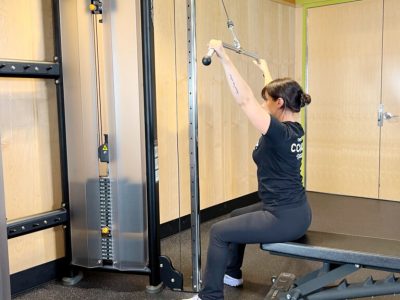
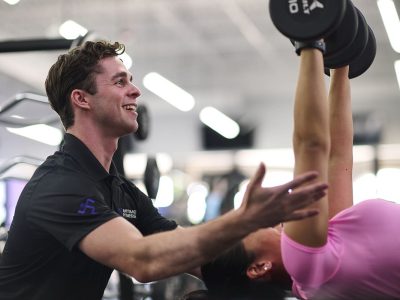
2. Muscular Strength and Endurance
Strength is the maximal force a muscle can produce, while endurance reflects its ability to sustain activity over time.

Ways to build muscular fitness:

  • Weightlifting

  • Resistance band training

  • Bodyweight exercises such as push-ups or squats

  • High-rep circuit training

Benefits:

  • Builds lean muscle mass

  • Improves posture and joint stability

  • Supports healthy metabolism and bone density

3. Flexibility and Mobility
Often neglected, flexibility allows muscles and joints to move through their full range of motion without pain or restriction.

Effective practices:

  • Static stretching

  • Dynamic warm-ups

  • Yoga or Pilates

  • Mobility drills with foam rollers or lacrosse balls

Benefits:

  • Prevents injury

  • Reduces muscle tension and soreness

  • Enhances coordination and freedom of movement

4. Balance and Coordination
As we age, balance becomes vital for preventing falls and maintaining functional independence.

Training methods:

  • Single-leg exercises

  • Balance boards or stability balls

  • Tai Chi and functional fitness routines

Benefits:

  • Improves overall body control

  • Enhances athletic performance

  • Supports joint integrity

The Psychology of Fitness: Strengthening the Mind
True fitness is incomplete without mental fortitude. Staying fit requires motivation, discipline, patience, and adaptability. Mental fitness encompasses the ability to manage stress, remain focused, and bounce back from setbacks.

Psychological components of fitness:

  • Goal Setting: Creating clear, achievable objectives builds motivation and direction

  • Consistency: Showing up regularly trumps intensity or perfection

  • Mindfulness: Being present during workouts improves performance and reduces injury risk

  • Self-Compassion: Understanding that progress isn’t linear helps sustain long-term habits

In essence, fitness becomes a mindset—a commitment to showing up, even when it’s inconvenient, uncomfortable, or seemingly unproductive.

Fitness as a Lifestyle, Not a Schedule
One of the most common misconceptions about fitness is that it is confined to the gym or specific workout windows. In reality, fitness is a daily practice woven into lifestyle choices, movement habits, and even the way we rest.

Ways to integrate fitness into everyday life:

  • Take the stairs instead of the elevator

  • Use a standing desk or take walking breaks during work

  • Practice short stretching routines before bed or after waking

  • Choose active social outings like nature walks or cycling

These small, cumulative actions not only build physical capacity but also establish a sustainable rhythm of health.

Nutrition: The Silent Partner in Fitness
No discussion of fitness is complete without acknowledging the role of nutrition. Food is not merely fuel—it is information that instructs the body how to function, repair, and grow.

Foundational principles of fitness-friendly nutrition:

  • Whole Foods First: Prioritize vegetables, fruits, lean proteins, whole grains, and healthy fats

  • Hydration Matters: Water supports energy production, digestion, and temperature regulation

  • Timing and Balance: Pre- and post-workout meals should support energy needs and recovery

  • Listen to the Body: Eat when hungry, stop when full, and respect cravings with moderation

A well-fed body performs better, recovers faster, and avoids the rollercoaster of fatigue and injury.

Overcoming Barriers to Fitness
Life’s demands can make regular fitness feel unattainable, but most barriers can be overcome with a shift in perspective and strategy.

Common challenges and solutions:

  • Lack of Time: Opt for short but effective 15- to 30-minute workouts that combine cardio and strength

  • Loss of Motivation: Find an accountability partner or switch up your routine to maintain interest

  • Injuries or Limitations: Modify movements or consult professionals for tailored exercises

  • Fear of Judgment: Remember that fitness is personal—your progress and purpose matter more than anyone’s opinion

Fitness thrives in an environment of encouragement, not perfection. Every effort counts.

The Evolving Definition of Fitness
As science, culture, and personal values shift, so does our understanding of fitness. It’s no longer about punishing the body but honoring it. It’s not about fitting into a narrow standard of beauty but about feeling strong, capable, and alive in one’s own skin.

Emerging trends reshaping fitness:

  • Functional Fitness: Training movements that mirror daily activities

  • Wearable Tech: Smartwatches and fitness trackers that monitor progress

  • Holistic Approaches: Integrating physical, mental, and emotional health

  • Inclusivity in Fitness Spaces: Embracing all body types, ages, and abilities

These evolving trends reflect a maturing attitude toward fitness as a gateway to personal empowerment.

Conclusion: Fitness as a Celebration of Being Alive
Fitness is not a punishment for indulgence or a race to fit societal molds—it is a celebration of what the body and mind can do when nurtured with intention. It is about finding movement that brings joy, building strength that supports purpose, and cultivating resilience that carries us through life’s many challenges. When viewed as a journey rather than a destination, fitness becomes not just a practice—but a privilege. To move, breathe, stretch, and grow is to honor the gift of being alive, one mindful step at a time.

What is your reaction?

Excited
0
Happy
0
In Love
0
Not Sure
0
Silly
0

You may also like

Comments are closed.

More in:Fitness