Exercises

The Elegant Science of Movement: Unlocking the Power of Exercises for a Better Life

Introduction: Movement as Medicine
In a world increasingly dominated by sedentary routines and digital distractions, the significance of exercise has transcended the realm of fitness alone. It is no longer just a tool for sculpting the body but a vital prescription for holistic health—physical, mental, and emotional. Exercise is one of the few interventions that benefit nearly every system in the human body. When done with intention, consistency, and awareness, movement becomes not merely an activity, but a lifestyle. This article explores the nuanced value of exercise, the various types that exist, and how integrating them into daily life can enhance not only longevity but also the richness of life itself.

The Multifaceted Benefits of Regular Exercise
The advantages of exercise extend far beyond the mirror. Its impact touches every dimension of wellness, from cardiovascular strength to emotional equilibrium.

Key benefits include:

  • Improved Cardiovascular Health: Exercise strengthens the heart, lowers blood pressure, and reduces the risk of stroke and heart disease

  • Enhanced Muscular and Skeletal Integrity: Weight-bearing and resistance exercises help build muscle mass and bone density, reducing the risk of osteoporosis

  • Better Metabolic Function: Regular physical activity improves insulin sensitivity and helps regulate blood sugar levels

  • Mental Clarity and Emotional Stability: Physical movement stimulates the release of endorphins, dopamine, and serotonin, which enhance mood and combat anxiety and depression

  • Immune System Support: Moderate exercise can boost immune function, reducing the frequency of infections

  • Cognitive Preservation: Activities like aerobic exercise have been linked to reduced risks of dementia and improved memory retention

Types of Exercises and Their Unique Roles
Different forms of exercise offer distinct advantages. A balanced regimen typically includes a thoughtful combination of the following categories:

1. Aerobic (Cardiovascular) Exercise
These are rhythmic, continuous movements that raise the heart rate and improve circulation.
Examples:

  • Brisk walking

  • Running or jogging

  • Cycling

  • Swimming

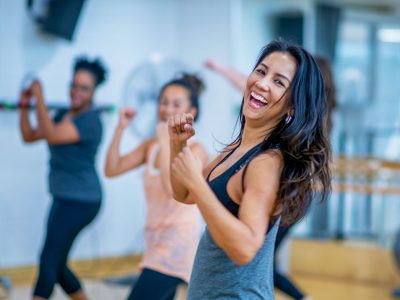
  • Dancing

Benefits:

  • Enhances lung capacity

  • Burns calories effectively

  • Boosts cardiovascular endurance

2. Strength Training (Resistance Work)
Focused on muscle development, strength training involves exerting force against resistance.
Examples:

  • Weightlifting

  • Bodyweight exercises (e.g., push-ups, squats)

  • Resistance band workouts

Benefits:

  • Increases metabolism

  • Improves posture and joint health

  • Preserves muscle mass with aging

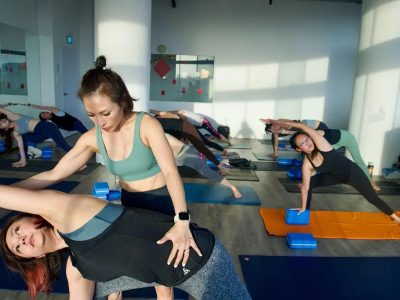
3. Flexibility and Mobility Training
These exercises aim to enhance the range of motion in joints and lengthen muscles.
Examples:

  • Static stretching

  • Dynamic warm-ups

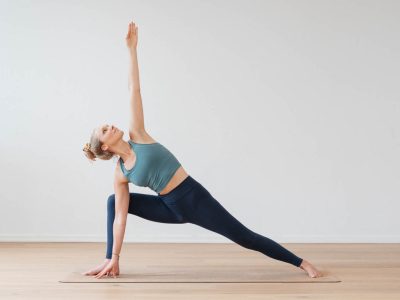
  • Yoga

Benefits:

  • Reduces risk of injury

  • Improves functional movement

  • Alleviates muscular stiffness

4. Balance and Coordination Activities
Particularly important as we age, balance training improves body control and prevents falls.
Examples:

  • Tai Chi

  • Stability ball routines

  • Single-leg exercises

Benefits:

  • Enhances proprioception (awareness of body position)

  • Strengthens stabilizing muscles

  • Improves athletic performance

Designing a Balanced Fitness Routine
An effective exercise regimen should be both comprehensive and personalized. The goal is to engage the entire body and meet individual health goals, preferences, and limitations.

Tips for building a holistic routine:

  • Start with Purpose: Identify whether your goal is weight loss, strength gain, endurance, or stress relief

  • Mix Modalities: Combine cardiovascular, strength, and flexibility workouts for optimal results

  • Prioritize Recovery: Include rest days and activities like foam rolling or restorative yoga to support recovery

  • Stay Consistent: Short, regular sessions are often more sustainable than sporadic intense workouts

  • Listen to Your Body: Adapt your plan based on how you feel physically and emotionally

The Mental and Emotional Landscape of Exercise
Exercise is as much about the mind as it is about the body. A well-executed workout can quiet mental noise, enhance focus, and create a sense of accomplishment. For many, movement becomes a form of meditation in motion—a moment of clarity amidst chaos.

Mental benefits include:

  • Stress Reduction: Exercise decreases cortisol levels and promotes relaxation

  • Boosted Self-Esteem: Physical improvements and goal achievements build confidence

  • Emotional Regulation: Regular movement can stabilize mood swings and improve resilience

  • Improved Sleep: Physical exertion helps regulate circadian rhythms and deepen sleep quality

Overcoming Common Barriers to Exercise
Despite the known benefits, many people struggle to establish consistent exercise habits. Common obstacles include time constraints, lack of motivation, physical limitations, or perceived monotony.

Strategies for overcoming these challenges:

  • Incorporate Movement Into Daily Life: Take stairs, walk during calls, or cycle to work

  • Set Realistic Goals: Begin with small, attainable targets and gradually increase intensity

  • Make It Enjoyable: Choose activities that you genuinely enjoy—dance, hike, swim, or join group classes

  • Find a Workout Partner: Accountability can increase motivation and consistency

  • Track Progress: Use journals or apps to monitor achievements and stay inspired

Exercise Through the Stages of Life
Our relationship with exercise changes as we move through life’s stages. Understanding how to adapt your routine to your age and condition is essential.

  • Children and Teens: Focus on fun, coordination, and developing lifelong habits

  • Young Adults: Maximize strength, agility, and cardiovascular performance

  • Middle Age: Prioritize stress management, joint health, and metabolic balance

  • Seniors: Emphasize balance, flexibility, and preserving independence

Each stage offers a unique opportunity to refine how we move, ensuring vitality and grace through the years.

Conclusion: Movement as a Lifestyle, Not a Chore
Exercise is not a punishment for what we eat or a fleeting commitment made in the wake of New Year resolutions. It is a declaration of self-respect, a discipline of self-care, and a pathway to a more fulfilling life. When approached with intention and balance, movement becomes a joy, a ritual, and a grounding force. In its purest form, exercise celebrates the wonder of the human body and its endless capacity to adapt, heal, and thrive. Whether you’re lacing up your sneakers for a morning run or taking ten minutes to stretch before bed, each effort is a silent investment in a stronger, healthier, and more radiant you.

What is your reaction?

Excited
0
Happy
0
In Love
0
Not Sure
0
Silly
0

You may also like

Comments are closed.