 By Joel Paige
Singaporean women can expect to live to about 87.5 on average, but according to a 2026 NUS and IHME analysis of Global Burden of Disease data, roughly 12.1 of those years are spent in poor health. For men, the figure is about 10.4 years. That gap matters. The study found musculoskeletal disorders, such as low back pain, were the single biggest contributor to years lived in poor health in Singapore, with falls and other unintentional injuries also high on the list. Many of these problems are shaped by strength, mobility and balance, which is why working with a personal trainer for women over 50 can be about far more than appearance.
Your 50s: The Decade That Sets the Tone
The years around menopause bring real changes. Falling oestrogen levels are linked with faster bone loss in the years after menopause, and muscle mass and strength tend to decline unless they’re actively maintained. Many women also notice changes in sleep, energy and where they carry weight.
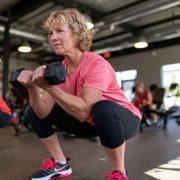
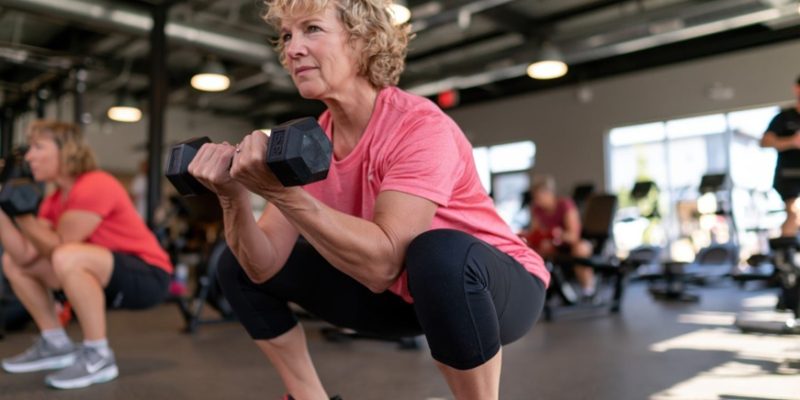
The good news is that this is an ideal decade to build reserves. Strength training two or more days a week, as Singapore’s physical activity guidelines recommend for adults, helps maintain muscle and supports bone health. A personal trainer for women over 50 will usually start with foundational movements such as squats, hinges, presses and rows, progressing the load gradually so your body adapts safely. The aim is to build a base you’ll draw on for decades.
How Training Shifts From One Decade to the Next
Your priorities naturally change as you move through your 50s, 60s and beyond. A good programme evolves with you rather than staying the same for years:
| Decade | Common changes | Where training often focuses |
| 50s | Menopause, faster bone loss, early muscle decline | Building strength and good lifting technique |
| 60s | Retirement, less daily movement, joint stiffness | Maintaining strength, adding balance and mobility |
| 70s | Greater fall risk, slower reaction time | Balance, power for quick steps, getting up from the floor |
| 80s and beyond | Frailty risk, reduced stamina | Independence: standing, walking and carrying with confidence |
Notice how the emphasis moves from building to protecting. That transition is where an elderly personal trainer becomes especially valuable, because programmes for women in their 70s and 80s need careful adjustment for balance, bone density and any medical conditions.
What Makes Training Different for Women?
Women generally start with less muscle mass than men and, after menopause, lose bone more quickly, which raises the risk of osteoporosis and fractures. Pelvic floor changes, joint pain and conditions such as high blood pressure can also influence how exercise is planned. None of these are reasons to avoid training. They are reasons to train with someone who understands them.
- Bone-friendly loading: Weight-bearing and resistance exercises that are progressed steadily rather than avoided.
- Pelvic floor awareness: Breathing and bracing techniques that avoid unnecessary strain during lifts.
- Joint-friendly choices: Alternatives for exercises that aggravate knees, hips or shoulders.
- Balance built in early: Short balance drills in every session, long before falls become a concern.
Choosing the Right Coach for the Long Run
Since your needs will change over the years, the ideal trainer is one who can adapt with you. Ask how they assess new clients, whether they’re comfortable working with conditions such as osteoporosis or arthritis, and how they track progress. An elderly personal trainer should also be happy to work around guidance from your doctor or physiotherapist, especially after injuries or surgery.
A quiet, one-to-one setting can make a big difference too. Many women over 50 feel more comfortable learning new movements away from a busy commercial gym, and it gives your trainer the time to correct technique properly. It also makes it easier to talk openly about things like hot flushes, pelvic floor concerns or joint pain, which might otherwise go unmentioned and quietly shape how you train. A good personal trainer for women over 50 will make those conversations feel routine rather than awkward.
Twelve Years Is Not a Fixed Sentence
The 12-year figure is an average, not a prediction for any one person. Lifestyle, including how strong and active you stay, is one of the factors you can influence. Starting with a personal trainer for women over 50 now gives you more years to build strength before it’s needed most, and later, an elderly personal trainer can help you keep that strength as priorities shift towards balance and independence. The earlier you start, the more reserve you carry into your 70s and 80s.
Whether you’re just entering your 50s or already well into your 60s, there’s a sensible place to begin. Contact Vigeo Health & Fitness to book an assessment and plan your next decade of strength.